As the United States faces growing security challenges in both scale and technological sophistication, America’s partnership with Israel helps give our soldiers a strategic edge. Our servicemembers benefit in countless ways from Israeli technology, research and development projects, joint trainings, and intelligence sharing.
The U.S. military is adopting numerous Israeli-made systems to keep our troops safer and more effective. To meet rapidly evolving threats, the U.S. should expand and deepen this partnership to keep Americans safe and strengthen our economy.
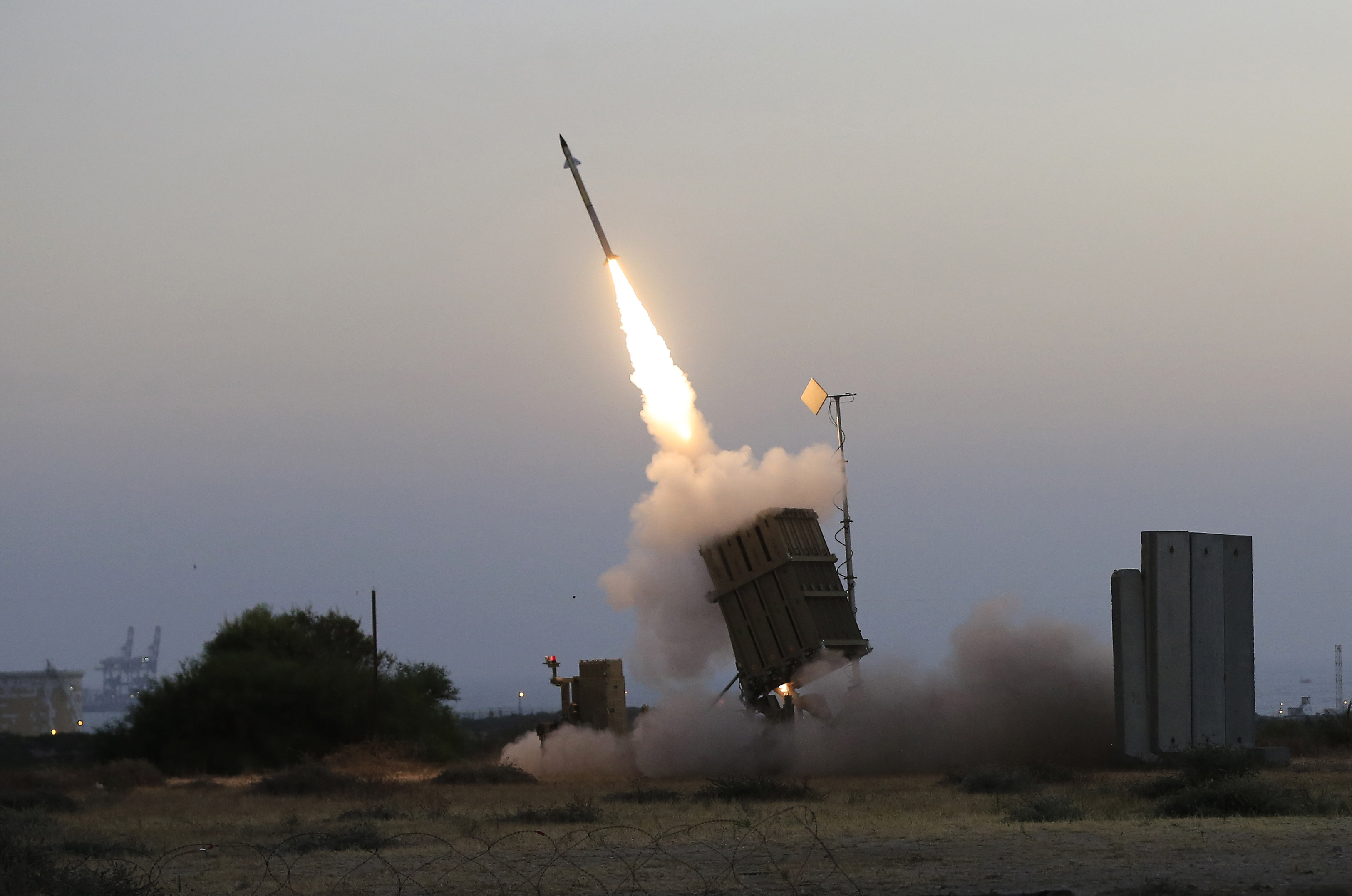
As American servicemembers face rapidly evolving aerial threats, the U.S. Marines are turning to Israel’s battle-tested Iron Dome system. In April 2026, Israel delivered Iron Dome’s Tamir interceptors to the Marine Corps to help defend against enemy drones, cruise missiles, and other aerial threats. The interceptors are manufactured domestically at a Rafael-Raytheon facility in Camden, Arkansas. This system will help the Marines address the growing challenge posed by low-cost, hard-to-detect aerial threats that are increasingly shaping modern battlefields.
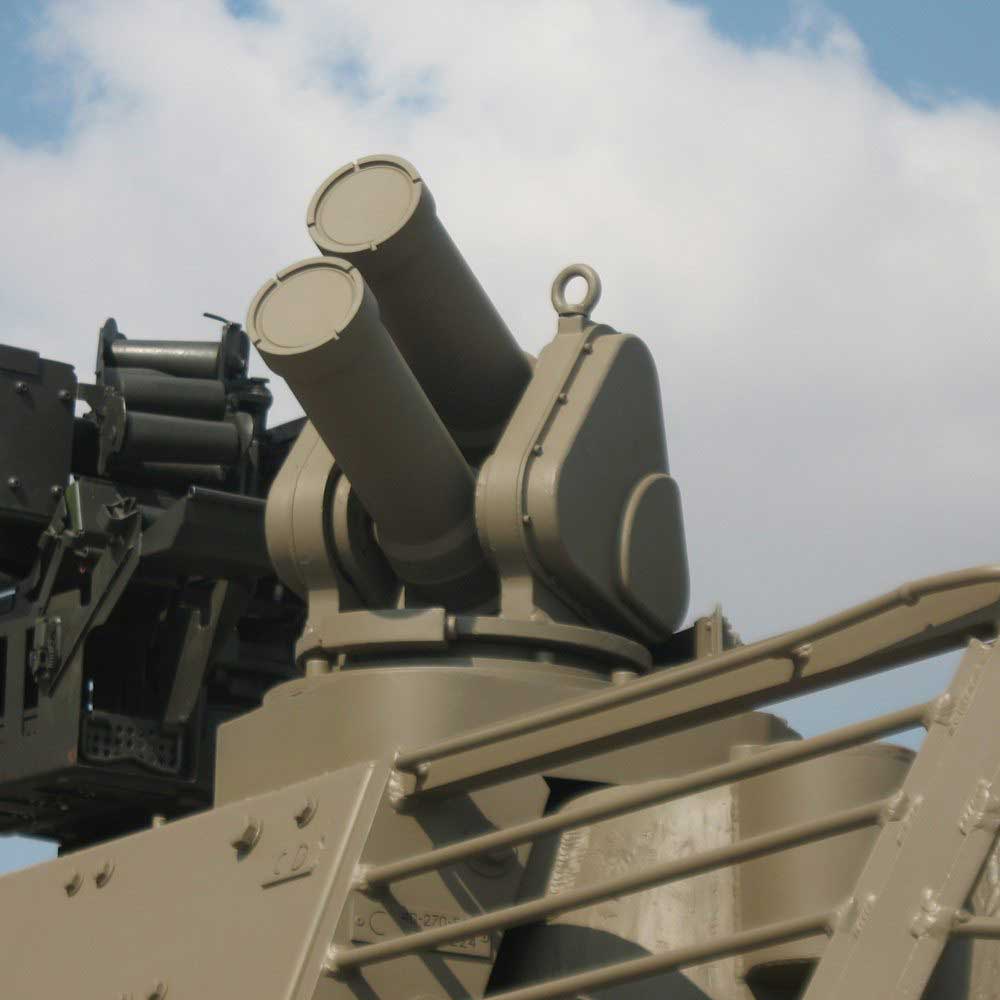
American troops face growing threats on the battlefield from precision-guided and drone-enabled attacks. Now, the U.S. Army will deploy Israeli technology to better protect American tanks from these threats. In January 2026, Israel’s Elbit Systems was awarded a contract to supply its Iron Fist Active Protection System to the U.S. Army, to help protect U.S. soldiers from anti-tank rockets, guided missiles, loitering munitions, and other threats.

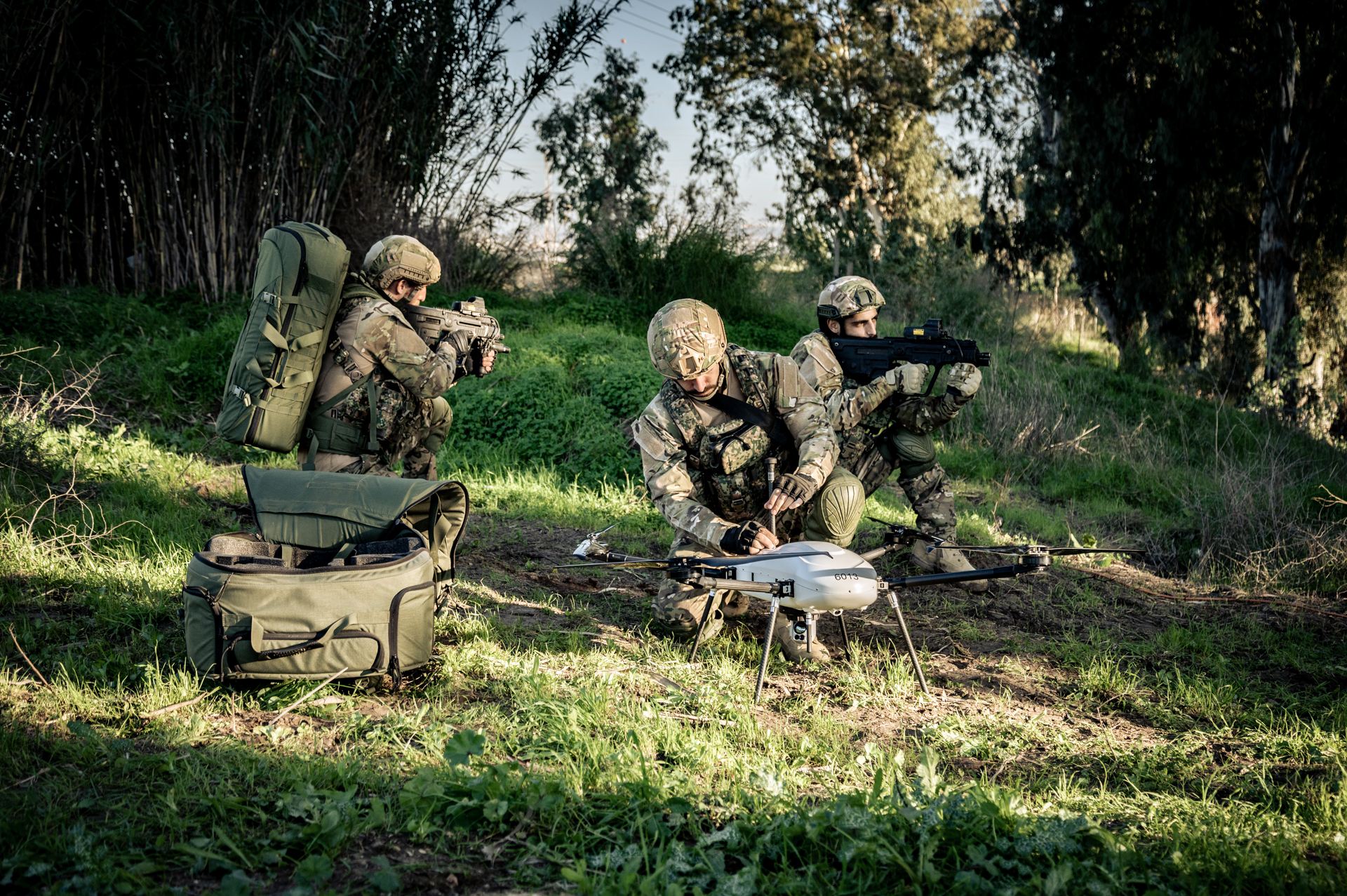
America’s frontline soldiers rely on surveillance to identify threats in the field and maintain communication in difficult environments. The U.S. Army will soon use Israeli technology to help address this challenge and keep American soldiers safer. In May 2026, Israel’s Elbit Systems won a contract to supply its THOR Group 2 Unmanned Aircraft System (UAS) to the Army. This backpack-portable, fully autonomous drone can be carried by soldiers, launched rapidly, and flown fully autonomously to support reconnaissance, surveillance, target identification, communications relay, and light resupply missions.

America’s enemies increasingly use small, low-profile drones to evade traditional defenses, posing a growing danger to our soldiers. Israeli counter‑drone systems are helping U.S. forces tackle this threat. In May 2026, the U.S. Army announced a new contract with Israeli defense firm Smart Shooter for its SMASH counter-drone system, which uses AI to help soldiers take down small drones and improve precision in fast-moving engagements. On June 1, Smart Shooter received its first contract with the U.S. Navy.
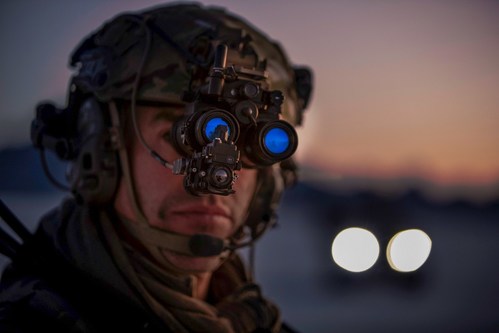
U.S. soldiers on the battlefield need to see clearly and move confidently in the dark, in bad weather, and through smoke or dust. The U.S. military is looking to Israeli-made night-vision goggles to solve this challenge. In May 2026, Elbit Systems was awarded two contracts by the U.S. Army for its Enhanced Night Vision Goggle–Binocular, designed to give soldiers a decisive edge at night and in bad conditions. The technology allows soldiers to identify threats when there is little or no ambient light, or when targets are hiding behind smoke, foliage, or camouflage.
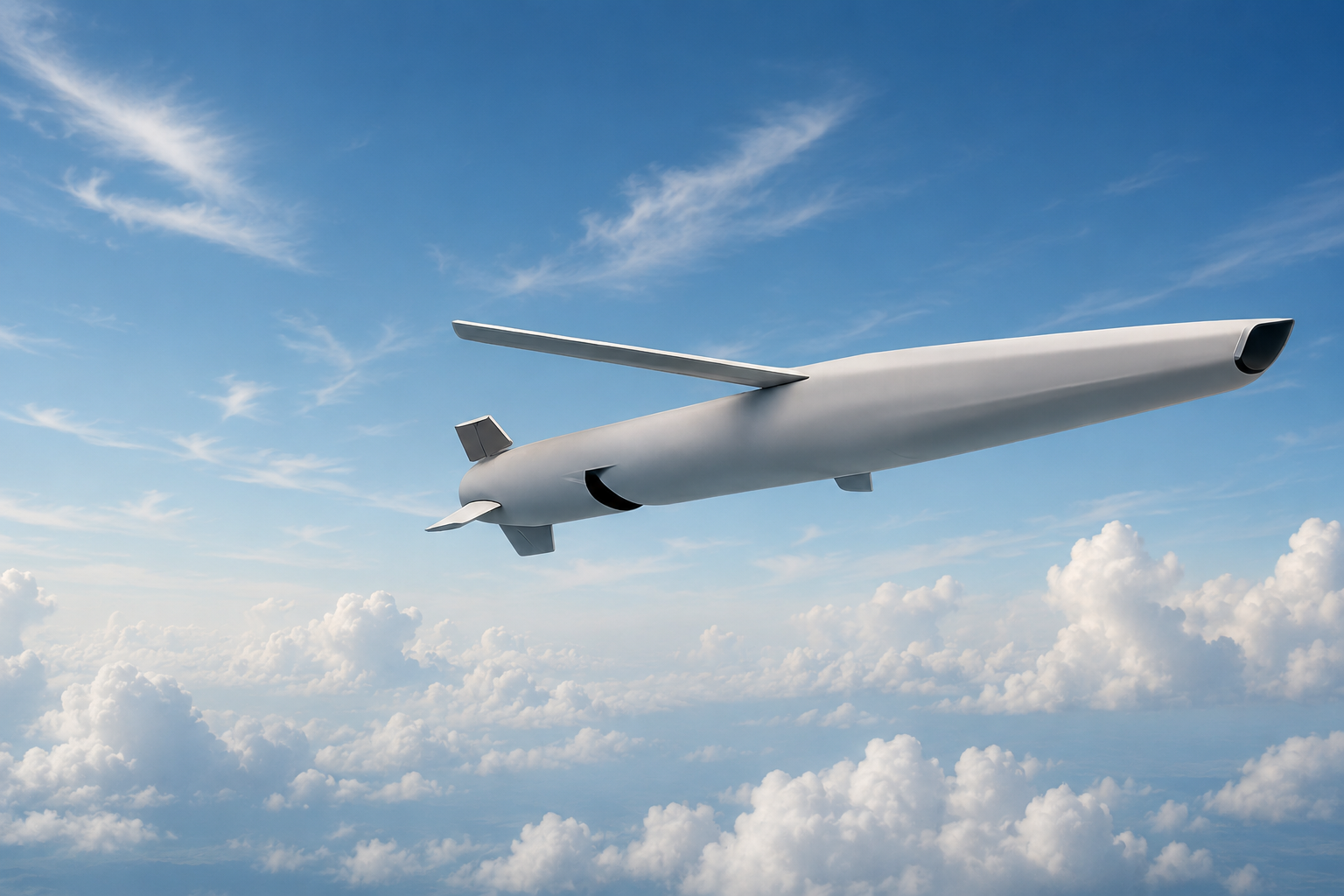
With the cost of military equipment soaring, General Atomics Electromagnetic Systems and Israel’s Rafael Advanced Defense Systems’ new Bullseye precision-guided missiles will fill a critical gap by providing a cheaper, more flexible, long‑range precision strike option that can be fired from air, land, or sea, easing pressure on high‑end cruise and ballistic missile inventories and enhancing the military’s ability to strike targets with precision. In April 2025, the two companies signed an agreement to co‑produce these systems in Tupelo, Mississippi, for the U.S. Military.
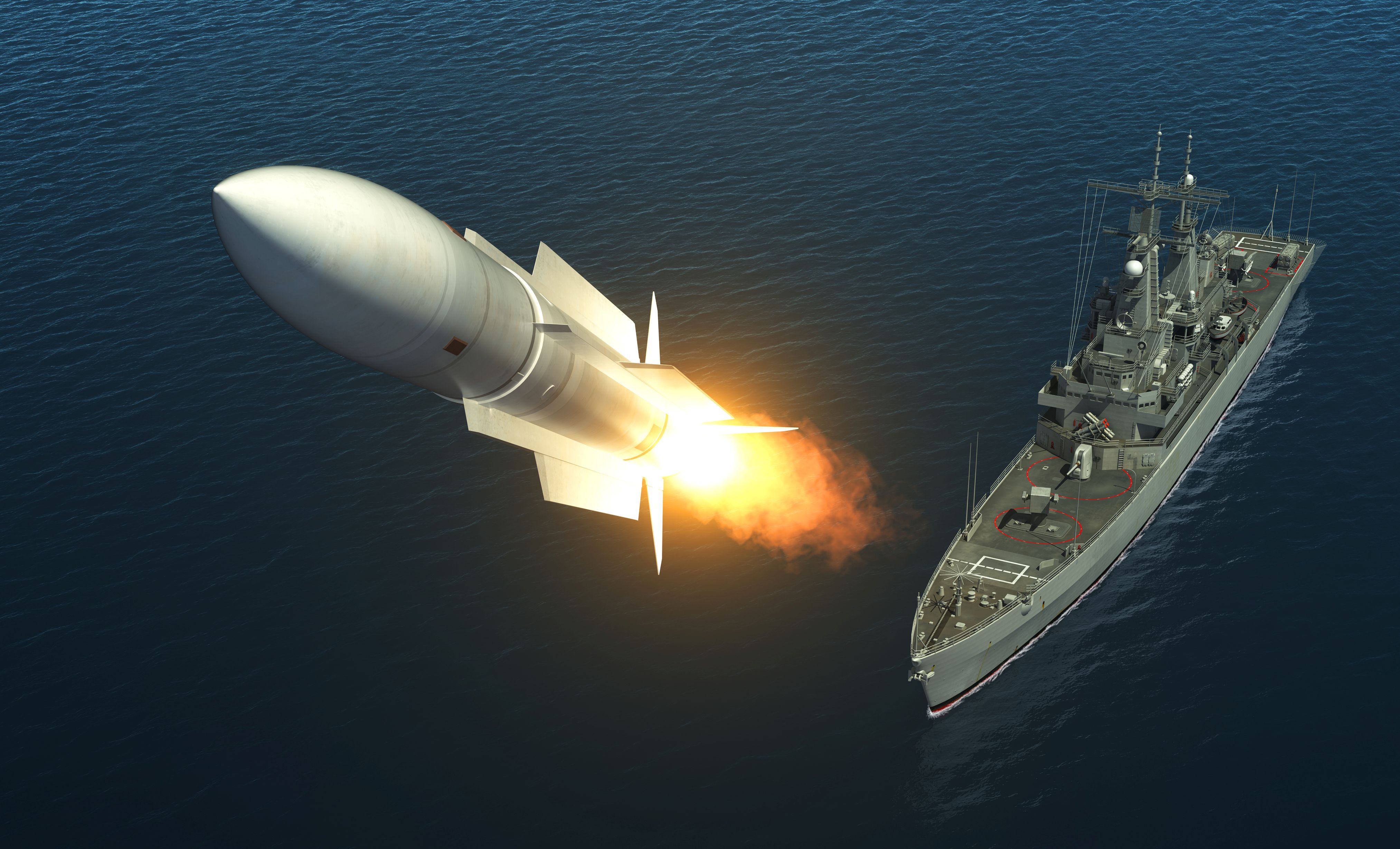
U.S. Navy warships rely on the Mark 41 Vertical Launching System to fire critical air-defense and long-range strike weapons, including Tomahawk cruise missiles. In September 2026, the Navy awarded $114 million to Stark Aerospace, a U.S.-based subsidiary of Israel Aerospace Industries (IAI), to produce components for the system. The contract supports manufacturing primarily in Columbus, Mississippi, with additional work in Oregon, Pennsylvania, and New Jersey, and is expected to run through February 2030. By helping supply this core naval launching architecture, Israeli defense technology is supporting the readiness and firepower of U.S. and allied warships.
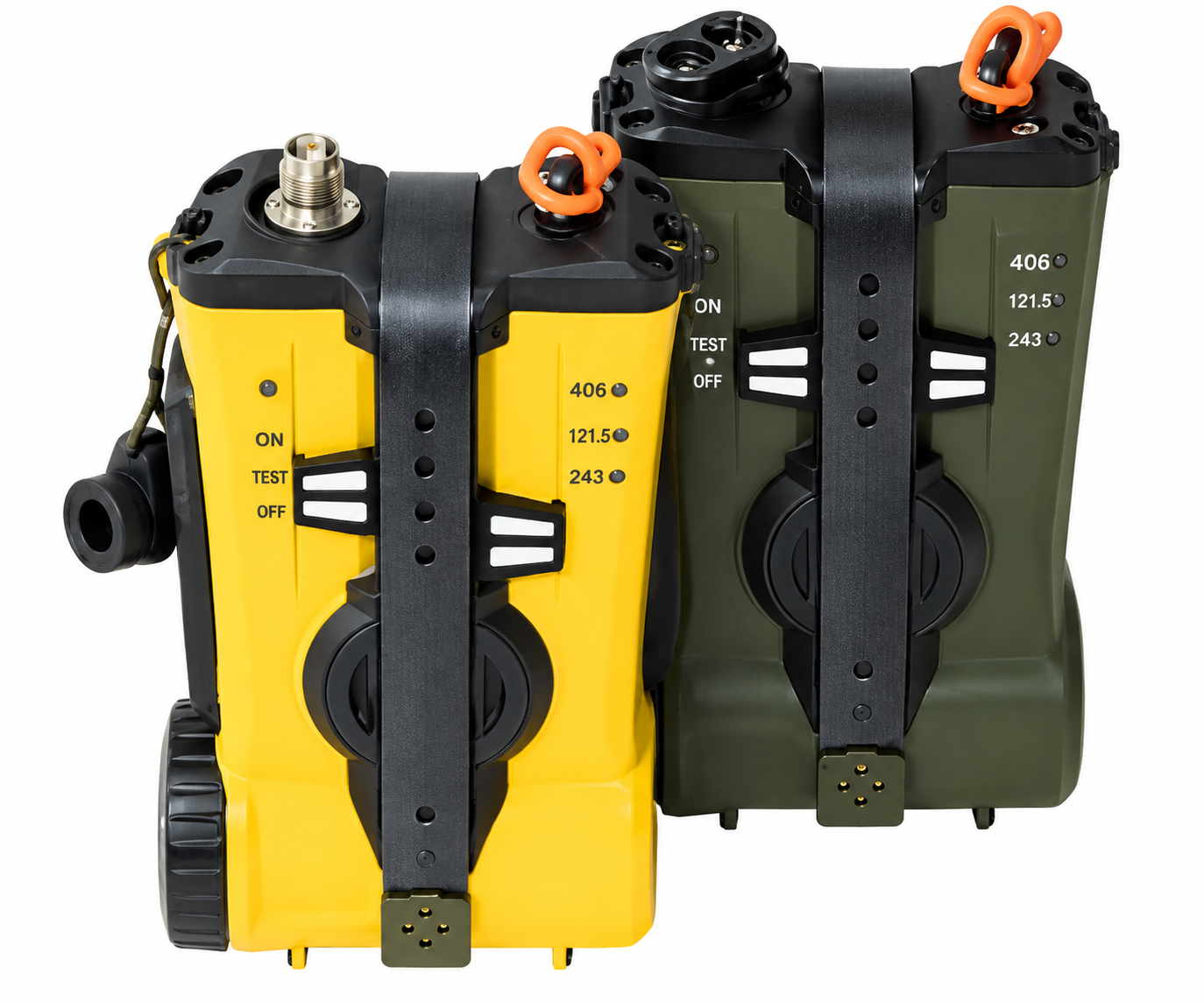
When naval aviators are forced down in hostile or remote environments, dependable communications can be essential to locating and rescuing them. In September 2026, Israel’s Elbit Systems received a $13.5 million contract to repair and maintain four configurations of survival radios used by Navy aircrews. Sixty percent of the work will take place in Talladega, Alabama, with the remaining 40 percent performed at Elbit’s facility in Holon, Israel. The radios help downed aircrews signal for rescue, strengthening a critical personnel-recovery capability for American servicemembers.
As America faces new and evolving threats, Israeli technology is helping keep U.S. forces safer, more effective, and equipped with the most advanced technologies. Congress must work to deepen and expand U.S.-Israel cooperation to give our troops a strategic edge, support the American economy, and advance our strategic interests.