AIPAC Memo

Congress Must Carefully Review the Proposed F-35 Sale to Saudi Arabia

September 28, 2026
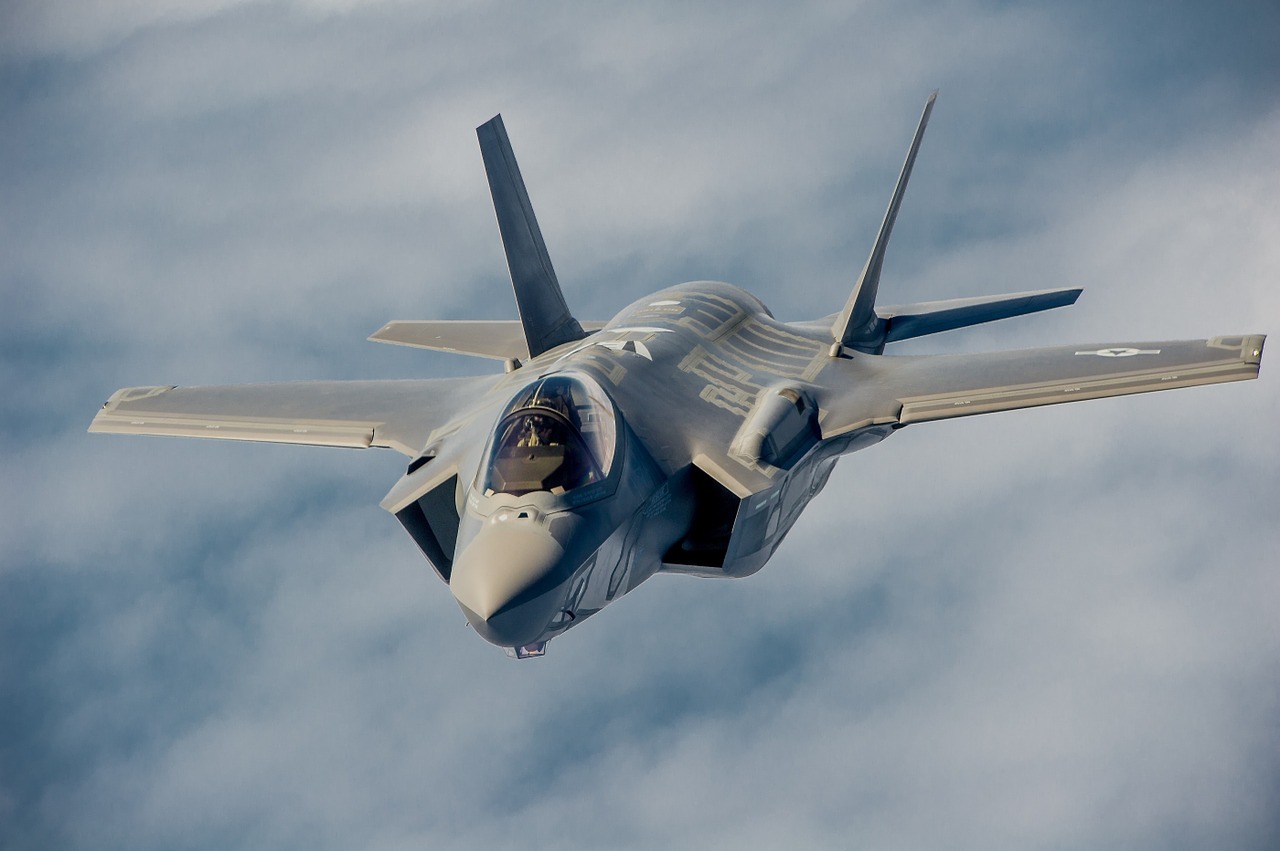
F-35 flying in sky
The F-35 is America’s most sophisticated fighter jet. Israel is the only country in the Middle East that operates the F-35.

On September 17, the State Department notified Congress of a proposed sale of up to 48 F-35 Joint Strike Fighter aircraft to Saudi Arabia, with a potential value of $24.3 billion. The F-35 is the most sophisticated fifth-generation fighter aircraft in the U.S. fleet.

Congress must carefully review this sale as it raises serious concerns for Israel's Qualitative Military Edge (QME), the security of sensitive U.S. technology, and the prospects for regional normalization. Congress must seek explanations from the administration on how the proposed transfer addresses each of these concerns. Without satisfactory explanations, Congress should oppose this sale.

The Sale Raises Serious Concerns for Israel's Qualitative Military Edge

  • U.S. law requires that any major arms sale to the region not adversely affect Israel's QME. Congress must review the administration's certification that this sale will not undermine Israel's QME and seek a detailed explanation of how Israel's advantage will be preserved.
  • The F-35 is the most advanced fighter aircraft in the U.S. inventory, and Israel is the only country in the region that operates it. Congress should ask how transferring the F-35 to Saudi Arabia will affect Israel's exclusive qualitative advantage and what precedent it sets for further proliferation of fifth-generation aircraft in the region

The Sale Raises Serious Concerns for the Security of Sensitive U.S. Technology

  • The F-35 incorporates the most sensitive U.S. military technology. Congress must assess the risk that transferring the aircraft to Saudi Arabia could expose its capabilities to foreign intelligence, particularly given Saudi Arabia's deepening defense and technology ties with China.
  • Congress should examine what end-use, technology-security, and counterintelligence protections the administration will require and how they will be enforced, including safeguards against Chinese and Russian access to the aircraft.

The Sale Raises Concerns for the Prospects for Regional Normalization

  • A major U.S. arms transfer of this magnitude, or any major agreement between the United States and Saudi Arabia, should be tied to progress toward normalized relations between Israel and Saudi Arabia. Congress should ask whether the proposed sale sets the conditions for Saudi Arabia establishing normal and peaceful relations with Israel
  • A Saudi decision to normalize relations with Israel would be a historic step forward for peace and regional stability, strengthening both America’s and Israel's security and deepening cooperation against shared threats. Congress should examine whether advancing the sale now would remove a powerful incentive for normalization.

The Way Forward

Congress must carefully review this sale and seek explanations from the administration on how it addresses the concerns outlined above. Congress must ensure that any transfer preserves Israel's Qualitative Military Edge, protects sensitive U.S. technology from adversaries such as China, and is conditioned on tangible progress toward normalized relations between Israel and Saudi Arabia. Without satisfactory explanations, Congress should oppose this sale.