Security assistance to Israel advances America’s interests and values, helps enable our democratic ally to defend itself and strengthens the ironclad relationship between the United States and the Jewish state.
Throughout its 78 year history, the modern Jewish state has yet to know a day in which it is recognized by all its neighbors, and it continues to face an immensely challenging security environment.
The current Memorandum of Understanding (MOU) was signed in 2016 by President Barack Obama and runs from Fiscal Year (FY) 2019 through 2028, committing the United States to providing $3.3 billion per year in security assistance and $500 million for cooperative missile defense programs.
Congress must fulfill America’s commitment by providing full security assistance and missile defense funding to Israel for the remainder of the MOU.
Starting in 1999, America and Israel have entered into three successive 10-year Memoranda of Understanding, establishing mutually agreed terms for security assistance that provides predictability and reliability to both nations.
The 2016 MOU, negotiated by President Obama, committed the United States to providing annually $3.3 billion in foreign military financing (FMF) and $500 million for cooperative missile defense programs like Iron Dome. This was the first MOU that included missile defense funding.
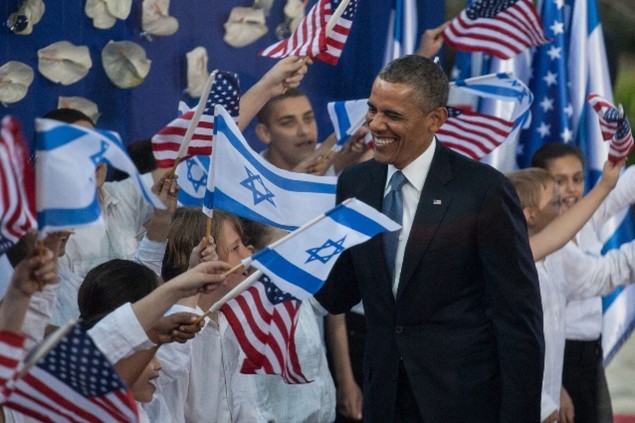
The MOU was a product of extensive good-faith engagement between President Obama and Israeli Prime Minister Benjamin Netanyahu to produce an agreement that would keep Israel safe and America strong.
President Obama said the “MOU will make a significant contribution to Israel’s security in what remains a dangerous neighborhood” and ensure “that Israelis can live alongside their neighbors in peace and security.”

Security assistance to Israel represents a more cost-effective approach to America’s national security than is often used for other nations. In Israel, we have a partner that willingly defends itself, contributes meaningfully to shared security goals, and does so without requiring a long-term presence of American boots on the ground.
America’s partnership with Israel ensures the U.S. has access to lifesaving Israeli defensive systems that the U.S. could not replicate alone at comparable cost. Through partnership with Israel, the United States now has access to the world’s most battle-tested missile defense systems at a fraction of the cost in money and experience.
America also benefits from ironclad security cooperation with Israel across a variety of domains, including cybersecurity, AI, counter-UAS systems, electronic warfare, and more. The innovative use of U.S. military equipment by the IDF, coupled with shared know-how, has helped the U.S. military improve its own equipment and tactics.
Unlike many U.S. allies, including several NATO partners, Israel invests heavily in its own defense—consistently spending a higher share of its GDP than any other Western nation. It does not rely on American troops to secure its borders, but instead works in close coordination with the United States to strengthen both countries’ security.
By contrast, the United States, spends vast sums each year maintaining large permanent troop deployments in countries like Germany, Japan, and South Korea.
As America’s and Israel’s adversaries expand their drone and missile arsenals and field increasingly advanced systems, continued investment in missile defense capabilities is essential. From keeping troops safe on the battlefield to defending critical infrastructure, U.S.-Israel cooperative missile defense programs ensure the two allies are at the cutting-edge of this vital defense sector and expand their capacity to manufacture lifesaving missile interceptors.
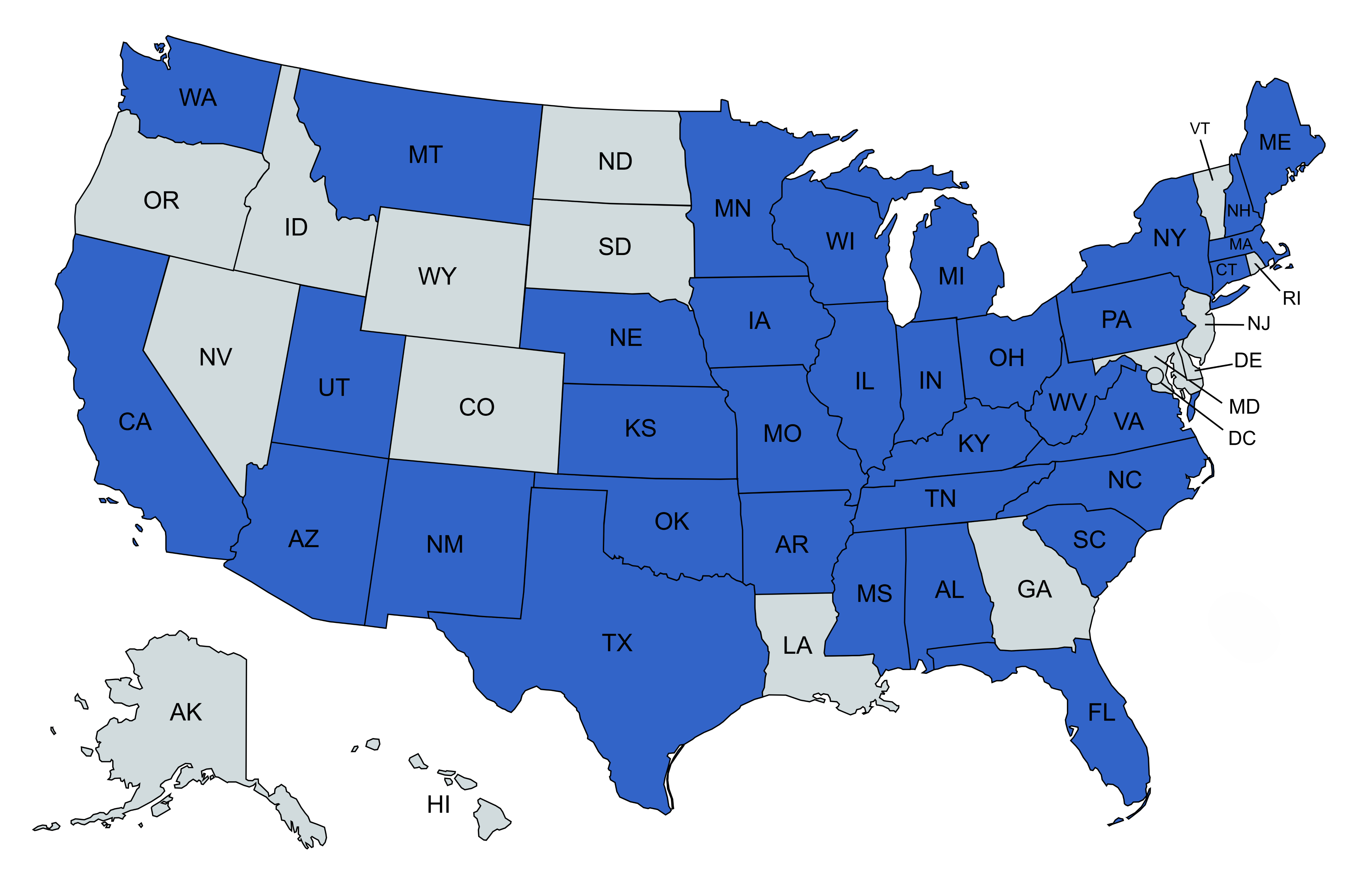
From advanced American-made F-35 jets to basic munitions, MOU funding is boosting the American defense industry and pumping money back into the American economy.
The MOU supports an estimated 20,000 American jobs and has helped facilitate long-term investment in co-production facilities across the United States.
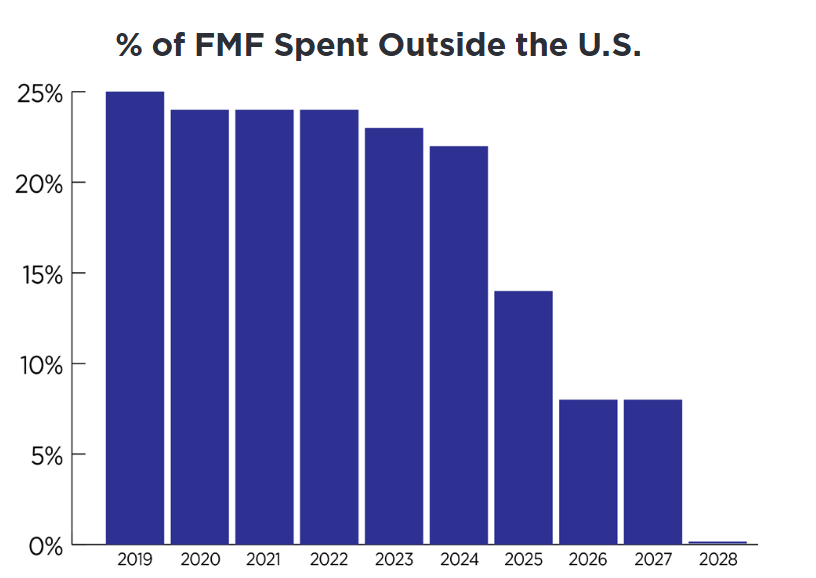
Nearly all funding provided to Israel under the MOU is spent in the United States, and the 2016 MOU established a phased transition to 100% of aid being spent in the U.S. by 2028.
In 2019, the first year of the current MOU, Israel was required to spend 75% of the $3.3 billion in FMF in the United States. In 2026, it is 92%, and will be 100% in 2028.
Congress must fulfill its commitment with Israel by legislating full funding for our ally as called for in the 2016 MOU negotiated by President Obama.
The United States’s strategic alliance with Israel helps keep both countries safe, protect Israeli families from ongoing threats—including stopping terrorists from using missiles to kill civilians.